Gaibandha Govt. Mohila College
Knowledge for enlightenment.
A Legacy Built Over Time
Tracing our roots and the foundation of excellence.
Gaibandha Government Mohila College stands as a landmark institution in the history of female educational empowerment in Northern Bengal. Established on August 13, 1969, during a politically transformative era in East Pakistan, the college emerged from local philanthropic initiative and social determination to expand higher education for women. Over time, it evolved from a modest private institution into a nationally administered government college in 1985, strengthening academic standards and administrative stability. Affiliated with the Dinajpur Education Board for HSC and the National University for degree and Honors programs, the college now serves approximately 1,540 students. Located on DB Road in Middlepara, it remains a cornerstone of women’s advancement, reshaping socio-economic prospects across Gaibandha district.
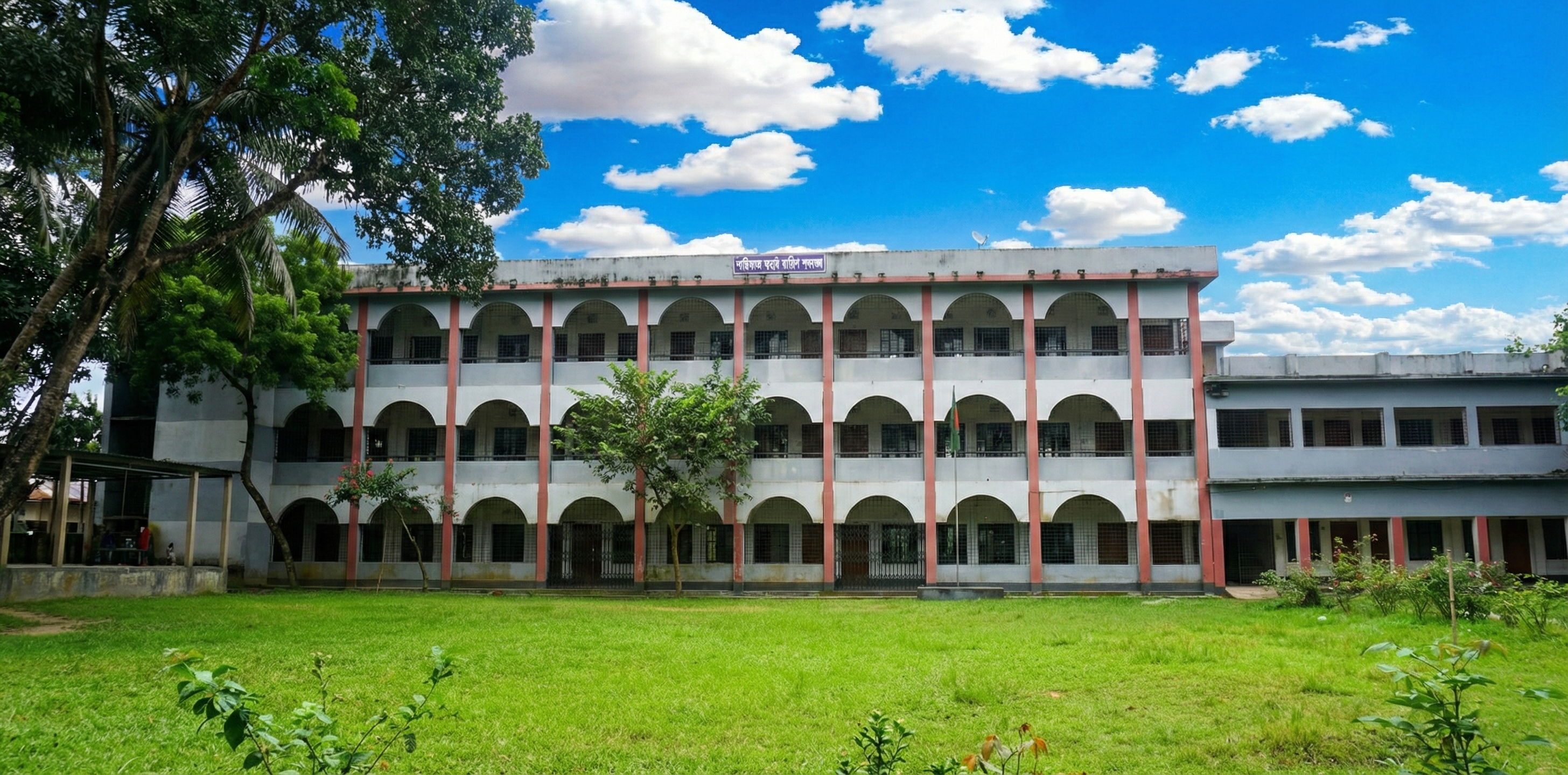
The roots of Gaibandha Government Mohila College are intertwined with the broader struggle for women’s education in Bengal. Inspired by reform movements led by pioneers such as Ishwar Chandra Vidyasagar and Begum Rokeya, the demand for female higher education gradually expanded beyond metropolitan centers into districts like Gaibandha. Although Gaibandha Government College was established in 1947, social preferences favored a separate institution for women. Responding to this need, local philanthropists founded the Mohila College in 1969 with Humanities and Science streams at the HSC level. The institution endured disruption during the 1971 Liberation War but resumed progress afterward. Its nationalization in 1985 ensured improved infrastructure, qualified faculty recruitment, and long-term institutional sustainability for women learners.
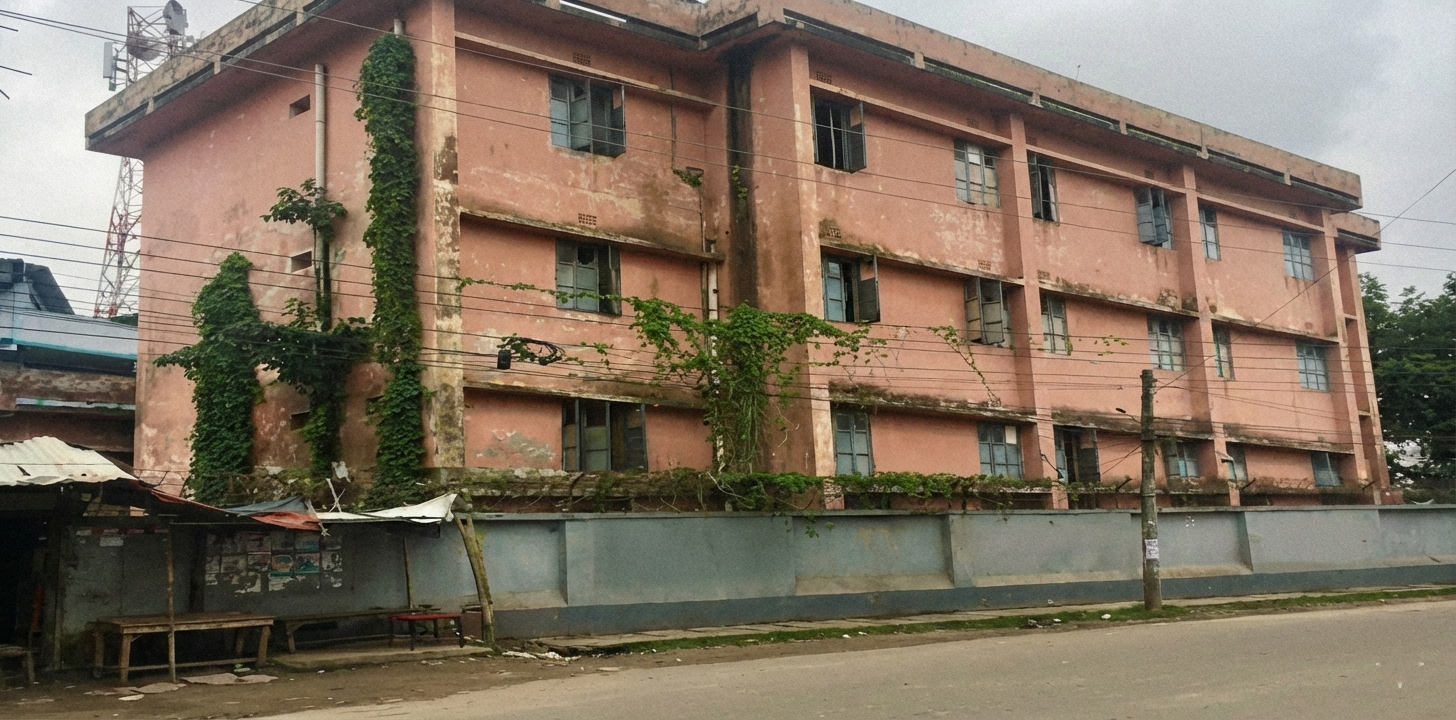
Today, Gaibandha Government Mohila College continues to strengthen its academic and social impact. Offering Honors programs in disciplines such as Bengali, Management, Accounting, Political Science, and Economics, the college prepares students for careers in education, administration, and business. Digital integration, ICT facilities, and structured governance under the Ministry of Education reflect its modernization efforts. Beyond academics, student organizations, cultural programs, and volunteer initiatives foster leadership and civic responsibility. Facing growing demand for expanded Honors and potential Master’s programs, the college envisions further academic diversification and infrastructural growth. Its enduring legacy lies in empowering generations of women who contribute to regional development, climate resilience, and social transformation across Gaibandha and Northern Bangladesh.
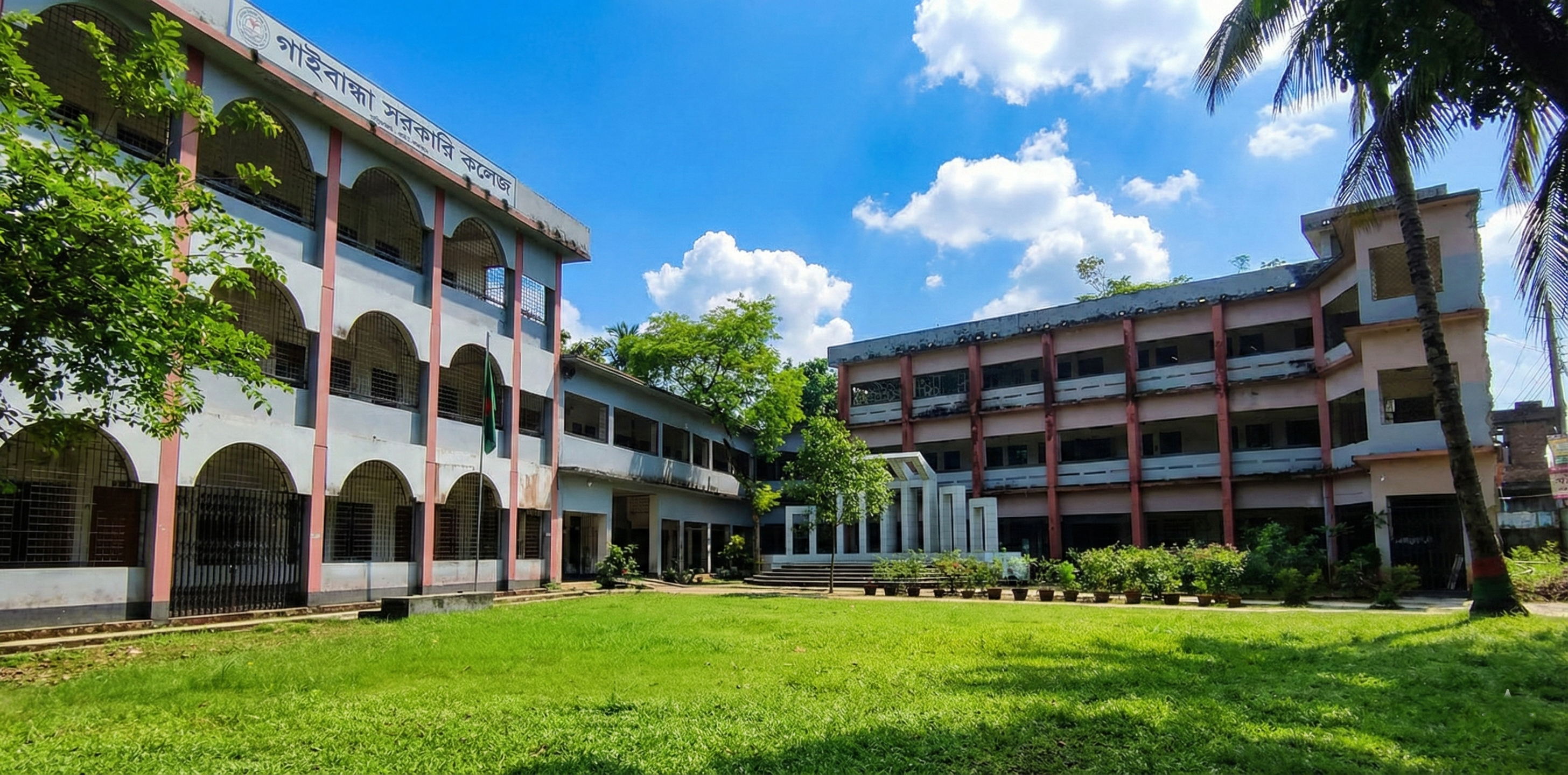
Milestones of Excellence
Celebrating our journey from humble beginnings to becoming a leading educational institution, each milestone has contributed to our vision of providing transformative education.

The College established
Liberation War disruption
Government nationalization
Stories of Excellence
Our community’s achievements that inspire generations.

Our alumni have gone on to excel in diverse fields, from business and technology to arts and community service. They lead with purpose, contributing meaningfully to their industries and societies.

Our students consistently set benchmarks in academic excellence, earning top honors and awards in national and international competitions.

Through various outreach programs and initiatives, our students and faculty have made lasting contributions to the community, fostering growth and positive change.